Sample Approval
Aluminum clean room wall panels: approve the complete sample scope
A finish chip answers a different question from a joint mock-up. Define what must match before a sample is ordered, then record which requirements the sample can and cannot demonstrate.
Prepare a sample requestBuild a traceable approval record
Surface and facing: what does the sample represent?
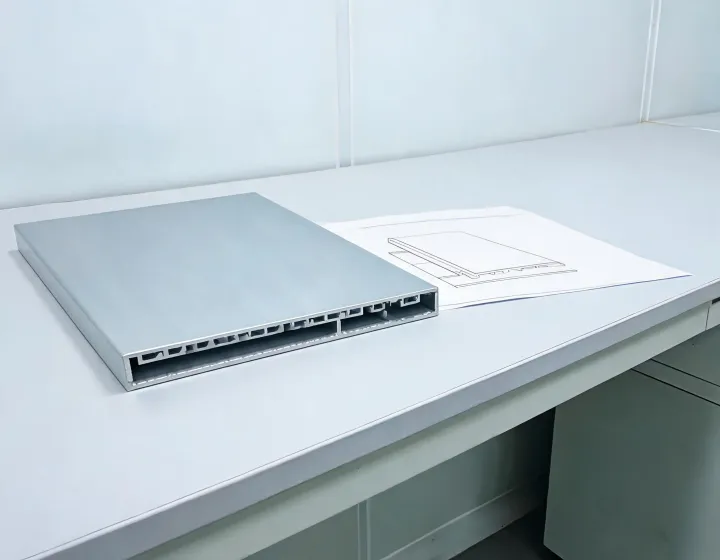
Ask the supplier to identify aluminum facing construction, skin thickness, finish type and color reference. Record the inspection lighting, viewing distance and allowed variation agreed with the project team. A small chip may show color and texture but cannot demonstrate full-panel flatness or long joint alignment.
Core and edges: is this the quoted construction?
Request the complete panel thickness in mm or inch, core identification and an edge cross-section. Match those fields to the quotation and current drawing. A separate core sample does not establish the performance of the assembled panel; supporting documents must identify the tested construction.
Joints and openings: what needs a mock-up?
Where interfaces matter, define a joint or corner sample with the actual profile, seal and accessory components. Include door, glazing or utility interfaces if needed for the review. Specify which gaps, tolerances and dimensions will be checked; the buyer's designer sets acceptance criteria.
Cleaning and records: what remains unverified?
State the intended cleaning agent, concentration, contact time and frequency, then request applicable compatibility data or an agreed sample evaluation. Do not infer compatibility from a photograph. Retain the sample ID, supplier model, finish code, drawing revision, inspection observations and written deviation disposition.
Choose the sample around the decision
Cost and supplier preference
How should a budget influence the sample?
A budget preference may prioritize a standard finish and fewer special openings; a high-end preference may prioritize customized surfaces, tighter visual coordination or additional service. Request separate costs for samples, tooling and production. These are buying priorities, not supplier ratings or a promise of a lower price.
Can an alternative be accepted after sampling?
List the original and alternative construction side by side. Compare facing, core, thickness, joints, documents and total delivered cost. Record the technical reviewer's acceptance or rejection of each deviation before treating the sample as production approval.
Approval limits and hand-off
Does an accepted sample establish fire performance?
A visual sample does not demonstrate an assembly rating. Request the relevant report and verify the offered core, skin, thickness, fastening and installation scope with the project specialist. A report belonging to another construction cannot be transferred by matching a color.
What should production be checked against?
Retain a controlled sample and the approved specification revision, then agree an inspection scope with the supplier. Define what will be checked and when, including lot identity and packing protection. Sample approval does not replace production inspection or facility qualification.
Read the procurement brief before sending your sample request. Published product-family information supplies questions to ask; the exact proposal still needs supporting records.
Specify what approval must establish
Tell us the panel construction, proposed quantity, sample purpose, US destination and requested timing. Mark finish-only checks separately from assembly or compatibility questions.
- Describe the decision before choosing a sample.
- Keep deviations tied to a drawing revision.
- Confirm costs and approval responsibility in writing.